Voyager Recovery Center offers non-12-step rehab in Orange County, California, providing individualized, evidence-based addiction treatment for adults and adolescents seeking alternatives to traditional 12-step programs.
Treatment includes medically supervised detox, cognitive behavioral therapy (CBT), dialectical behavior therapy (DBT), individual therapy, and group therapy, all delivered in a supportive, non-dogmatic environment focused on long-term recovery.
Unlike traditional programs such as Alcoholics Anonymous or Narcotics Anonymous, Voyager’s non-12-step addiction treatment emphasizes professional clinical care, skill-building, and personalized recovery plans tailored to co-occurring mental health and dual diagnosis needs.
What is non-12-step rehab? It’s a structured, evidence-based addiction treatment approach that does not rely on spiritual steps or mandatory peer meetings, instead focusing on licensed therapists, behavioral therapies, and practical coping strategies.
Individuals experiencing cravings, withdrawal symptoms, difficulty quitting drugs or alcohol, or worsening mental health can seek addiction treatment in Orange County at Voyager, where early intervention and customized care support lasting recovery.

If you’ve ever hesitated to seek help because traditional 12-step programs didn’t feel like the right fit, you’re not alone—and it doesn’t mean recovery isn’t possible for you. For many people, the structure, language, or spiritual focus of 12-step programs, including programs like Alcoholics Anonymous or Narcotics Anonymous, can feel unfamiliar or uncomfortable—especially when concepts like a higher power don’t align with personal beliefs.
That experience alone should never be a reason to delay seeking addiction treatment.
Recovery is not one-size-fits-all. Every person’s journey is shaped by their experiences, mental health, relationships, and personal beliefs. There are many effective treatment options for healing from substance use disorders, and non-12-step rehab offers an alternative path that focuses on individualized care, evidence-based treatment, and personal empowerment.
At Voyager, an addiction treatment center in Orange County, California, treatment is designed to meet you where you are—without labels, pressure, or rigid philosophies. Our non-12-step rehab programs support your recovery journey by offering flexible treatment programs focused on long-term success, personal growth, and overall well-being.
Admitting you might need help can feel scary—and honestly, it’s often the hardest step in the recovery process. But noticing the signs of a substance use disorder could be life-saving. Many people try to manage drug use or alcohol addiction on their own or feel like asking for help is a failure. The truth? Reaching out is actually a sign of strength, and early substance abuse treatment can make a real difference.
Here are some common signs that you or a loved one may need professional addiction treatment:
Seeing these signs isn’t a judgment—it’s your brain and body signaling that professional support from licensed treatment centers or rehab centers could help. Early intervention and evidence-based treatment in a supportive environment can give you or a loved one the guidance, tools, and structure to start building lasting recovery.
Whether you’re reaching out for yourself or someone you love, you don’t have to do it alone. We’re here to listen, to guide, and to help you take that first step toward something better. Call us, ask questions, or just talk things through — no expectations, no pressure. Healing starts with a conversation. Let’s have it.
Non-12-step rehab is a different approach to addiction recovery for people who want to improve their lives without the traditional 12-step framework. It doesn’t rely on spiritual steps, group slogans, or mandatory peer meetings—instead, it focuses on evidence-based treatment and individualized care. The goal is to give you practical tools, professional guidance, and support that fit your life and your beliefs.
Many non-12-step recovery models draw from approaches like SMART Recovery, cognitive behavioral therapy, and other forms of CBT. These therapies help address the root causes of drug addiction and alcohol addiction, while also supporting co-occurring mental health and dual diagnosis needs.
Key features of non-12-step rehab include:
Non-12-step rehab gives you the flexibility to shape your recovery journey in a way that feels authentic. You’re learning tools that work for you, not following a one-size-fits-all path. It’s about building skills, understanding yourself, and creating a sustainable life in recovery—on your terms.
Non-12-step rehab isn’t just for people who don’t connect with the 12-step model—it can help a wide range of individuals who are ready to make a change. Recovery looks different for everyone, and choosing a path that fits your values, lifestyle, and mental health needs can make a real difference in your long-term success.
People who may benefit from non-12-step programs include:
Non-12-step rehab is about meeting you where you are, helping you build practical skills, and supporting your journey toward lasting recovery. It’s not about following a predetermined path—it’s about finding the tools and support that work for you.
While traditional 12-step programs have helped millions, they aren’t the only path to recovery. Non-12-step rehab offers an alternative approach that focuses on evidence-based treatment, professional guidance, and personalized care—without relying on spiritual steps, peer pressure, or mandatory group meetings.
Key differences include:
Non-12-step rehab gives you the structure, guidance, and supportive environment you need, while respecting your individuality. It’s about helping you take control of your recovery on your own terms, giving you the tools to build a healthier, more balanced life.
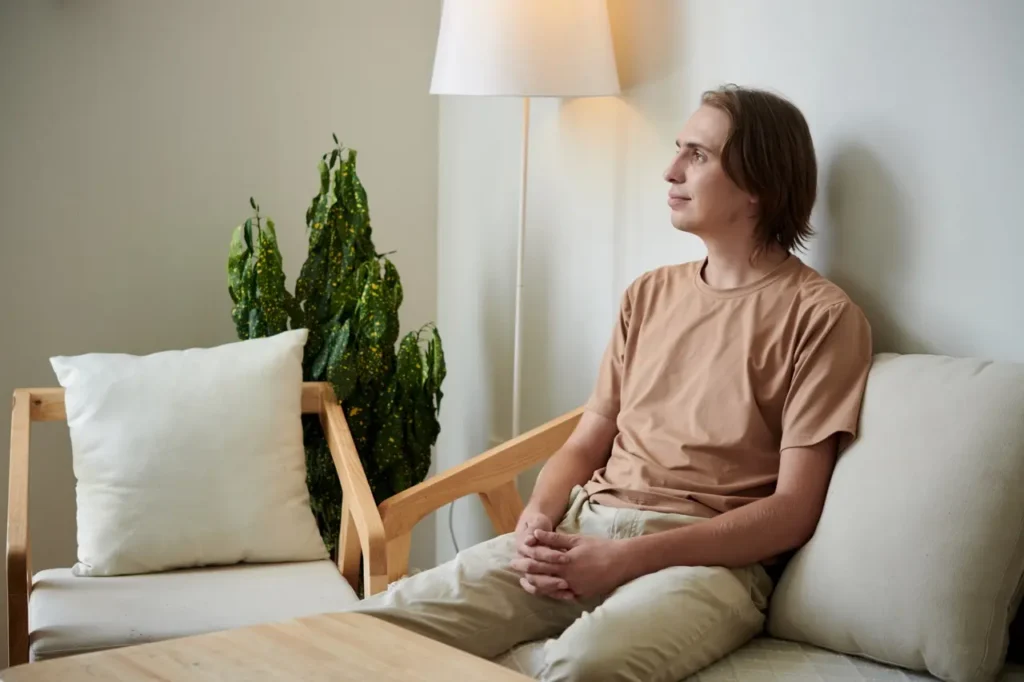
Non-12-step rehab focuses on evidence-based treatment tailored to your needs. Programs combine therapies and support to help you manage cravings, cope with difficult emotions, and build practical skills for lasting recovery.
Key components often include:
Treatment is designed to meet you where you are—providing structure and guidance without rigid steps or labels, helping you create a recovery path that works for you.
If you or a loved one is struggling with substance use, know that you are not alone—and you don’t have to face this journey by yourself. Recovery can feel scary or overwhelming, but Voyager in Orange County is here to provide compassionate, evidence-based support every step of the way.
There is hope, and there are caring professionals ready to help you find your path to healing. Every step you take, no matter how small, is a step toward a healthier, more balanced life—reach out now, and today can be the day you begin.
No. Non-12-step rehab offers alternative, evidence-based treatments that focus on skill-building, professional guidance, and individualized care. Recovery doesn’t have to follow a single path—there are approaches that fit your life and your needs.
Anyone struggling with substance use, whether or not they feel connected to traditional 12-step programs, can benefit. Programs support people dealing with mental health conditions, intense emotions, or challenges in coping with daily stress.
Treatment length varies depending on individual needs. Some people benefit from shorter, structured programs, while others engage in longer-term care with ongoing support. The right plan is built around you.
Yes. Non-12-step rehab uses evidence-based therapies like CBT, group therapy, and coping skill development, all designed to address the root causes of substance use and support long-term recovery.
Relapse doesn’t mean failure. It’s part of the journey for many people. Non-12-step programs focus on building skills and strategies to understand triggers, manage cravings, and strengthen resilience for the next step forward.

Dr. Lori Bohn is the Medical Director at Voyager Recovery Center and a Board-Certified Psychiatric-Mental Health Nurse Practitioner. With over a decade of experience in integrative medicine, she specializes in addiction psychiatry and women’s mental health.