Learn more about Voyager Recovery Center, a comprehensive drug and alcohol treatment facility offering both detox and residential care in a supportive, healing environment in Lake Forest, CA.
Voyager Recovery Center was built for people who are looking for something different. We’re not a revolving-door facility or a program that treats everyone the same. We’re a small, focused team in Lake Forest, California, offering care that’s thoughtful, personalized, and rooted in real human connection. Our mission is simple: help people feel safe enough to be honest, supported enough to grow, and empowered enough to rebuild their lives on their own terms.
If you’re researching us, you’re probably comparing several Orange County programs right now and trying to work out which ones are real. That’s a fair thing to do. This page is where we lay out who works here, what they’re credentialed in, how the facility is licensed, and what the environment actually looks like, so you can make that call with information instead of marketing.
When most people hear “drug rehab,” they picture something cold and strict, a place where you’re given orders, lose your freedom, and follow a rigid routine. But real rehab, the kind that actually helps people change, looks very different. It’s not about punishment or discipline. It’s about creating a space where people feel safe enough to be honest, supported enough to grow, and empowered enough to take ownership of their recovery.
At Voyager, a drug rehab program means personalized therapy, medical care when it’s needed, and daily routines that support healing, not just sobriety. It means group discussions that matter, staff who listen, and a community that feels human. Programs like ours exist not just to help people stop using, but to help them figure out why they started and how to live differently moving forward. That’s the work.

At Voyager, culture isn’t just a buzzword — it’s the foundation of everything we do. We’ve intentionally created a treatment environment where clients feel seen, heard, and valued. This means no generic programming, no overbooked groups, and no cookie-cutter approaches. Instead, we focus on building trust, mutual respect, and a sense of belonging. Clients are invited to participate in shaping their treatment, because we believe that true healing only happens when people are part of the process, not just subject to it.
Our culture is warm, collaborative, and real. Staff members know your name, peers become part of your support system, and the energy in the home reflects our belief that recovery should feel human, not clinical. We’re not just helping people get sober. We’re helping them reconnect with themselves and others in a meaningful way. That’s what makes Voyager different.
Addiction sits at the intersection of medicine, psychiatry, and behavioral health, which is why no single discipline can treat it alone. Our team is deliberately cross-functional: physicians and psychiatric prescribers handle the medical side, licensed therapists handle the clinical work, and certified case managers hold the logistics together so nothing falls through the gaps between them. Several of our staff are in recovery themselves.
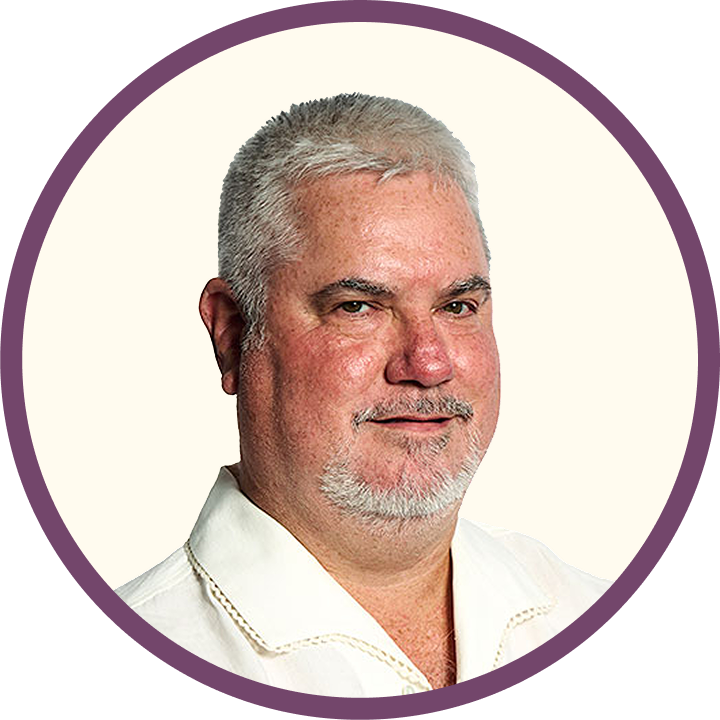
Medical oversight at Voyager starts with Dr. Michael S. Valdez, MD, our Medical Director. A graduate of the UCLA medical program, Dr. Valdez specializes in addiction medicine and dual diagnosis, and he brings personal recovery experience to the way he practices. He sets detox protocols, reviews medication decisions, and signs off on each client’s medical plan of care.
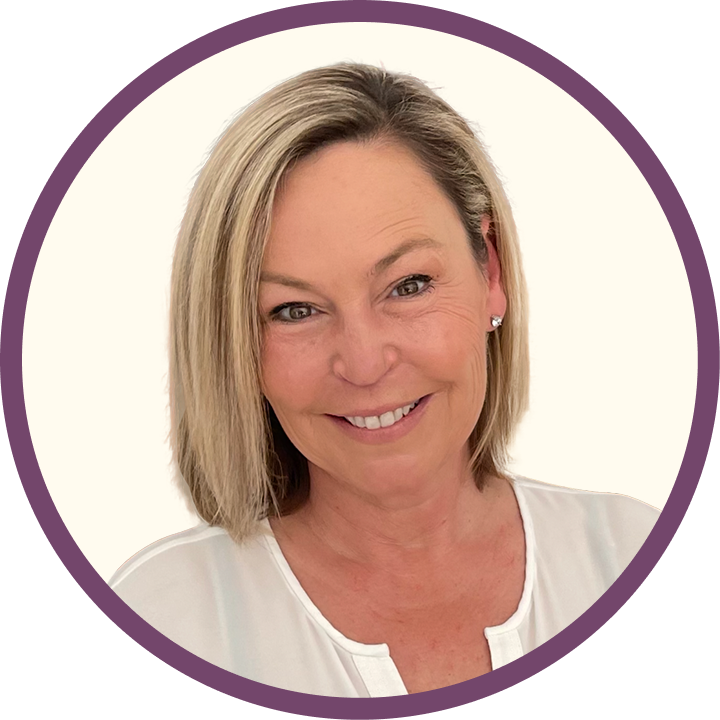
Dr. Lori Bohn, PMHNP-BC, DC provides psychiatric care as our nurse practitioner. With more than a decade in integrative medicine, she focuses on trauma-informed, holistic psychiatric treatment, which in practice means she looks at sleep, nutrition, and nervous system regulation alongside prescribing rather than treating medication as the whole answer.
Between them, they handle withdrawal management, comfort medications, medication-assisted treatment where clinically appropriate, and the psychiatric prescribing that co-occurring anxiety, depression, bipolar disorder, and ADHD require.
Clinical direction runs through Stacey Sheller, LMFT, our Executive Clinical Director. She holds a Master’s in Clinical Psychology and provides individual therapy, family therapy, and clinical supervision, drawing primarily on dialectical behavior therapy and cognitive behavioral therapy.
André Evans, AMFT has been a registered therapist since 2013 and works with dual diagnosis, PTSD, and anxiety using CBT and trauma-informed approaches. Erin Bull, our Program Director, brings over a decade in behavioral health with a focus on client-centered care and family restoration.
Case management and alumni support round out the clinical picture. Michael Pott, CADC-II works as a case manager with four years of experience and personal sobriety since 2021. Sarah Chasteen, our Alumni Coordinator, serves as discharge planner and client advocate after nearly a decade in the field.

You can find detailed information about each of our programs on their individual pages — but here, we want to share something different. This section isn’t about the logistics of detox or the daily schedule in residential. It’s about why we offer the services we do. At Voyager, every level of care exists for a reason. We’ve built this program around what people truly need in early recovery: safety, connection, and a chance to rebuild with dignity. These services reflect our values — and our commitment to helping each person find a path that actually fits.
We offer detox because no one should have to face withdrawal alone. This is often the most physically and emotionally difficult part of recovery — and for many, the reason they don’t start at all. That’s why our detox isn’t just medically supported; it’s emotionally supported too. We created a space where people can begin their healing without fear, shame, or unnecessary discomfort. Because when you feel safe and cared for in the first steps, you’re more likely to keep going.
We offer residential treatment because transformation doesn’t happen in a hurry. After detox, people need time — time to think clearly, reconnect with themselves, and make sense of what led them here. Residential care gives you that time in a structured, peaceful environment surrounded by people who are walking the same path. We built this program to allow for deep therapeutic work, meaningful relationships, and real rest. Because we’ve seen what’s possible when someone is given the right space to grow, and we want that for everyone who walks through our doors.
In California, residential addiction treatment is regulated by the Department of Health Care Services, which licenses facilities and certifies the specific services they’re permitted to provide. Detox in particular can only be delivered by a facility with incidental medical services approval, and any program offering it should be able to produce that license number on request.
Licensing sets the floor, not the ceiling. It governs staffing ratios, medication storage and administration, treatment planning documentation, discharge protocols, and the physical safety of the building. Facilities are subject to unannounced inspection. When you’re comparing programs, asking to see a current license is a reasonable question, and any legitimate provider will answer it without hesitation.
Beyond state licensing, two independent bodies accredit behavioral health providers in the United States, and both are voluntary. The Joint Commission evaluates programs against national standards for care quality, patient safety, and performance improvement, then re-surveys on a recurring cycle. CARF, the Commission on Accreditation of Rehabilitation Facilities, focuses on outcomes and person-centered service delivery, and requires providers to show they measure and act on their own results.
Neither is required to operate, which is exactly what makes it meaningful. A facility that pursues accreditation has invited outside auditors to examine its clinical documentation, staffing, and results. Insurers also weigh it heavily when setting network status, so it affects what your plan covers.
We know there’s no shortage of treatment centers in Orange County — and that’s not by accident. This area has one of the largest and most active recovery communities in the country. There are thousands of 12-step and alternative meetings, countless sober living homes, and a deep network of therapists, doctors, and peers who understand the path. It’s a place where sobriety isn’t just something you work on in treatment — it’s something you can live and breathe in everyday life.
We chose Lake Forest specifically because it offers the best of both worlds. It’s peaceful, high-end, and removed from the noise, but it’s also right in the middle of this thriving recovery ecosystem. Around here, it’s not uncommon to meet someone at a concert, coffee shop, or grocery store who’s in recovery too. That kind of built-in community matters — and we’ve seen how powerful it can be when clients are surrounded by others who get it, both in and outside of the program.
Our facility sits at 22 Barberry in Lake Forest, in a quiet residential setting rather than a clinical complex. Inside, you’ll find private and shared living spaces, common areas designed for people to actually sit and talk in, a dining area where chef-prepared meals are served, gym access, and a pool. The clinical spaces, group rooms, and therapy offices are in the same building, so nobody is transported between sites for programming.
We encourage prospective clients and their families to see it in person before admitting, and tours can usually be arranged the same week you call. If travel makes that impractical, our admissions team can walk you through a video tour room by room and answer questions live.
The most honest measure of a treatment center is what happens to people after they leave. Our alumni coordinator stays in contact with graduates well past discharge and remains available to anyone who needs to come back into the fold.
Outcomes deserve context. The National Institute on Drug Abuse (NIDA) notes that relapse rates for addiction sit in a similar range to those for other chronic illnesses like hypertension and asthma. A return to use isn’t proof that treatment failed. It’s a signal that the plan needs adjusting, which is why continuing care matters as much as the residential stay.
Very. We don’t believe in cookie-cutter treatment. You’ll help shape your plan, set goals that matter to you, and choose from a variety of therapeutic approaches. We’re here to guide, not dictate.
Not even close. We keep our groups small and our environment tight-knit on purpose. You’ll actually get to know the people around you — and more importantly, you’ll be known and supported by the staff.
It’s calm, personal, and built on mutual respect. No judgment, no chaos. We created Voyager to feel like a safe, supportive home — not a facility where people feel managed. People here are treated like people.
Give us a call. Whether you're ready to begin treatment or just gathering information, our admissions team is here to help. We'll walk you through the process, answer any questions, and help you decide if Voyager is the right fit for you. No pressure — just a conversation to explore your options.
That’s completely okay — many of our first calls come from family members. Whether your loved one is ready or not, we can help you understand the options, answer your questions, and guide you through next steps. You don’t have to have it all figured out. Just start the conversation, and we’ll meet you where you are.
Yes, we work with most major insurance providers and can verify your benefits quickly and confidentially. If you’re unsure about coverage, our admissions team can walk you through what’s included and help you understand your options.
We're at 22 Barberry in Lake Forest, California, in the heart of Orange County. The location is roughly 20 minutes from John Wayne Airport and within easy reach of Irvine, Mission Viejo, Laguna Hills, and the surrounding communities.
Medically supervised detox and residential treatment are delivered on site, with step-down outpatient programming and aftercare planning to follow. Detox and residential happen in the same facility with the same team, so you're not transferred at the most fragile point of the process.
Deliberately small. We limit census so groups stay intimate and staff have the capacity to know each client individually, which is a different model from the large-volume facilities common in this region.
Yes. Dual diagnosis care is integrated rather than referred out. Our psychiatric nurse practitioner and therapists treat anxiety, depression, PTSD, bipolar disorder, and trauma-related conditions concurrently with substance use.
Family participation is encouraged and built into the clinical program. Our Executive Clinical Director provides family therapy directly, and our program director focuses specifically on family restoration work.
You don’t have to have your questions organized before you call. Most people don’t. If you want to know who would be treating you, what a day would look like, whether your insurance covers it, or simply whether this is the right place at all, our admissions team will talk it through with you honestly, including telling you if we’re not the right fit.
Call (949) 991-6279 or reach out to Voyager Recovery Center to speak with a member of our clinical team. We’re here 24 hours a day, and the conversation is confidential.

Case Manager
With five years of experience working in treatment, Mel is passionate about person-centered advocacy, universal access to compassionate and intentional care, and building foundations for successful reintegration. As a case manager, they are dedicated to connecting individuals with supportive resources and empowering them to make meaningful changes in their lives. They believe that small steps can lead to lasting transformation, and they take joy in helping others find their freedom. Outside of work, they enjoy caring for their many houseplants and finding the best seasonal produce at the farmer’s market.