A partial hospitalization program in Orange County provides a structured step-down level of care for individuals transitioning from residential treatment to greater independence.
PHP offers intensive daytime treatment, including therapy, medication management, and skill-building, while allowing clients to return home or to sober living at night.
Voyager Recovery Center helps coordinate seamless placement into trusted PHP programs through a strong referral network, ensuring continuity of care.
Integrated dual diagnosis support and evidence-based therapies help individuals manage both substance use disorders and co-occurring mental health conditions for long-term recovery.

At Voyager Recovery Center, we believe that a successful recovery journey requires a full continuum of care that adapts to an individual’s changing needs. While our primary focus at our Lake Forest addiction treatment facility is providing high-level detox services and residential treatment, we recognize that many clients require a structured step-down as they transition back into their daily life. A partial hospitalization program (also known as a PHP) is a vital level of care for those who no longer need 24-hour inpatient care but still require intensive treatment to maintain their sobriety and manage mental health. Although we do not offer PHP or IOP services directly at our facility, our admissions team works tirelessly to place clients into a trusted treatment program within our extensive professional network to ensure a seamless transition to outpatient treatment.
PHP sits at level 2.5 on the American Society of Addiction Medicine continuum, which sets the floor at 20 structured clinical hours a week with no overnight stay. Most programs run five or six hours a day, five days a week, in a licensed outpatient setting with a prescriber on staff and medical oversight available during program hours.
The word hospitalization tends to confuse people. Nobody is admitted to a hospital bed. The term describes intensity rather than setting: a PHP day carries close to the clinical load of a day in residential treatment, minus the overnight supervision and the round-the-clock nursing.
That also defines who fits. You need to be medically stable, safe without monitoring overnight, and living somewhere that supports abstinence. When one of those three is missing, the right answer is usually another week or two of residential care rather than an early step down.
For many individuals, the leap from residential care to total independence is too great. This is why a partial hospitalization program in Orange County is often recommended as an essential aftercare component. Our clinicians use comprehensive case management to match each client with the right treatment option once they complete their stay at our treatment center. In a PHP program, a loved one can benefit from a structured schedule that mirrors the intensity of inpatient treatment – attending therapy sessions and group sessions during the day – while returning to a sober living environment or their home in the evening.
This step-down approach is crucial for relapse prevention. It allows individuals to practice the life skills and coping strategies they learned during residential treatment in real-world settings while still having the safety net of a comprehensive treatment team. Whether you are navigating substance abuse or complex mental health conditions, our network’s PHP treatment provides the stability necessary for long-term recovery.
Level of Care | Structured Clinical Hours | Overnight Supervision | Typical Duration |
|---|---|---|---|
Residential inpatient | Full day, seven days a week, inside a treatment milieu | On site, 24-hour nursing | 30 to 90 days |
Partial hospitalization (ASAM 2.5) | 20 to 30 hours across five weekdays | None. Home or sober living at night | 2 to 4 weeks |
Intensive outpatient (ASAM 2.1) | 9 to 19 hours across three to five days, often evenings | None | 8 to 12 weeks |
The useful way to read that table is by what each step removes. Going from residential to PHP, you give up overnight staffing and get your evenings back. Going from PHP to IOP, you give up the daytime container and get your workday back. Every step hands responsibility back to you, and every step is a point where people run into trouble if it arrives too soon.
Insurance reviewers assess it the same way, which is why placement rests on documented criteria rather than a general sense that someone is doing better. Craving scores tracked over time, attendance, drug screen results, psychiatric stability, and the safety of your living situation are the variables that move you down a level or hold you where you are.
A PHP day is built on repetition. Same start time, same room, same people working through the same curriculum in sequence. That structure does something no medication can, which is rebuild the daily rhythm that active addiction dismantled.
Programming usually opens with a check-in where you rate cravings, sleep and mood, and those numbers get tracked rather than simply spoken aloud. Groups run in blocks with short breaks between them. Individual therapy and prescriber appointments are slotted into the week rather than the day, so most clients meet their therapist once or twice a week and their psychiatric provider weekly. Afternoons tilt toward skills work and planning for the evening ahead, because the evening is where the day’s learning actually gets tested.
Schedules differ between the programs we refer into, but a typical six-hour day is shaped like this:
Time | Session |
|---|---|
9:00 a.m. | Arrival, vitals if indicated, craving and mood check-in |
9:30 a.m. | Process group |
11:00 a.m. | Individual therapy or psychiatric review, rotating through the group |
12:00 p.m. | Lunch on site |
12:45 p.m. | Skills group following a CBT or DBT curriculum |
2:15 p.m. | Psychoeducation, or a scheduled family session |
3:15 p.m. | Wellness block and an evening plan before discharge for the day |
At our rehab, we understand that substance use often goes hand-in-hand with mental health issues. This is why our network specializes in dual diagnosis care. When a client transitions to a partial hospitalization program in California, they continue to receive integrated care for co-occurring disorders such as bipolar disorder, anxiety, depression, and PTSD.
Our referral partners offer personalized treatment plans that include:
Medication management at this level of care has a particular shape. You see a prescriber roughly weekly rather than monthly, doses are observed during program hours, and the effect of any change shows up in groups the following morning where staff can watch for it. That cadence makes PHP the practical place to start an antidepressant, cross-taper off a benzodiazepine or a sleep aid, or adjust a mood stabilizer, because the unsettled first fortnight happens with clinical eyes on it. The Substance Abuse and Mental Health Services Administration (SAMHSA) treats simultaneous treatment of both conditions by one team as the standard, not an optional extra.
Whether you’re reaching out for yourself or someone you love, you don’t have to do it alone. We’re here to listen, to guide, and to help you take that first step toward something better. Call us, ask questions, or just talk things through — no expectations, no pressure. Healing starts with a conversation. Let’s have it.

Our treatment center in Orange County is equipped to help individuals stabilize from a wide array of substance use disorders before they transition to an intensive outpatient program (IOP) or PHP. We provide specialized care for:
By starting with our inpatient treatment, clients receive the medical stabilization required to successfully participate in the more autonomous levels of care offered in our outpatient network.
Every individual’s path to wellness is different, which is why personalized treatment plans are the cornerstone of our philosophy. When we facilitate a transition to a partial hospitalization program in Orange County, we ensure that the facility uses evidence-based therapies and healthcare practices.,
The transition to a PHP often involves continued participation in:
A partial hospitalization program is designed to bridge the gap between clinical healthcare and everyday life. While in a PHP, clients often engage in holistic addiction treatment that mirrors the wellness activities we provide at our residential care facility. This includes a structured daily life consisting of meditation, light exercise, and nutritional support.
By participating in a PHP program, clients continue to work on their skill-building and emotional regulation in a setting that provides more freedom than inpatient care but more support than standard outpatient treatment. Our admissions team ensures that the providers we refer to prioritize these wellness components, as they are essential for maintaining the gains made during residential treatment.
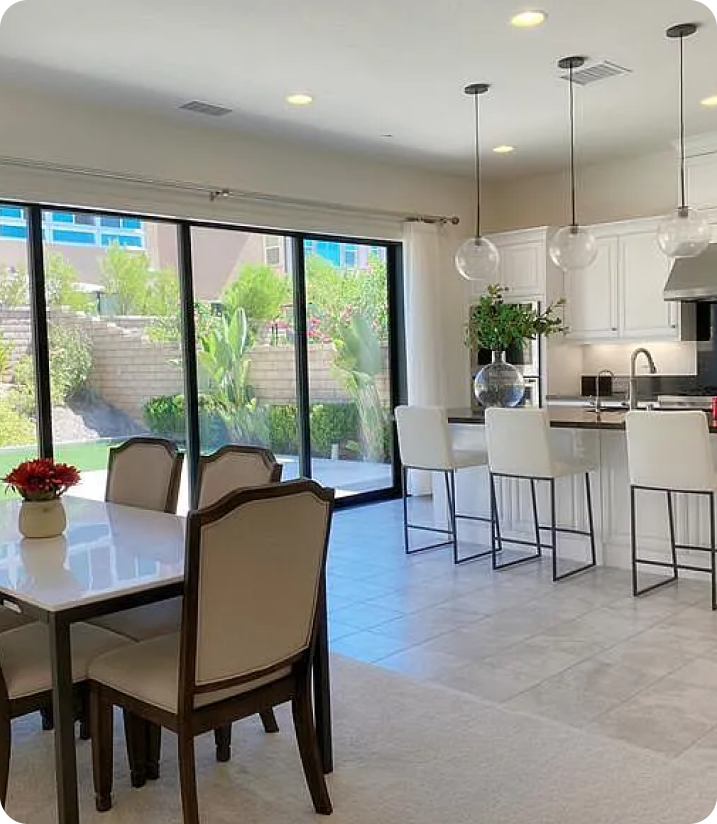
Where you sleep decides whether PHP works. The program holds you from morning until mid-afternoon and then hands the other eighteen hours straight back. For someone returning to the apartment where they used, those hours are the entire problem.
Structured sober housing closes that gap without adding clinical hours. Homes near Orange County outpatient programs generally run evening curfews, random drug and alcohol testing, house meetings, and an expectation that residents are out of the house and in programming during the day, which lines up with a PHP schedule almost exactly. Transport between the house and the program is often arranged as well, which removes a small daily obstacle that ends more treatment episodes than most families would guess.
If you’re traveling into Orange County from out of state, housing is the first thing our admissions team settles on, because a PHP referral without a safe place to sleep at night isn’t a plan.
If you or a loved one are struggling with substance use disorders or mental health care needs, Voyager Recovery Center is here to help you navigate the complex treatment program landscape. While we specialize in inpatient treatment and detox in Southern California, we are your dedicated partners in finding the right step down through a partial hospitalization program in Orange County. Our admissions team is available 24/7 to verify your insurance and discuss how we can create a comprehensive treatment path for your individual needs.
Our treatment center is committed to providing a professional, serene environment where you can begin your recovery journey. Let us help you take the first step toward lasting recovery by providing the foundation you need in residential treatment before guiding you toward the best PHP or intensive outpatient program in the region.
Contact our admissions department today to learn more about our detox, residential care, and how we can support your transition to a partial hospitalization program. Your path to healing starts today.
Call (949) 991-6279 or message the admissions team at Voyager Recovery Center to have your benefits checked before you commit to anything. We work with Aetna, Blue Cross Blue Shield, Cigna and most major PPO plans.

A PHP is a structured outpatient treatment program that provides intensive therapy and clinical support during the day while allowing individuals to return home or to sober living in the evening.
PHP is ideal for individuals who no longer need 24/7 inpatient care but still require a high level of support to maintain sobriety and manage mental health conditions.
Voyager Recovery Center specializes in detox and residential care but helps place clients into trusted partial hospitalization programs in Orange County through its referral network.
Most PHP programs include individual therapy, group therapy, CBT, DBT, medication management, family therapy, and skill-building to support recovery and emotional stability.
Yes. Many PHP programs provide dual diagnosis care, treating substance use disorders alongside conditions like anxiety, depression, bipolar disorder, and PTSD.
Most major PPO plans cover PHP, but they authorize it in short blocks, often five to ten days at a time, with a review before each extension. Your clinical team documents medical necessity at level 2.5 using your symptoms, attendance and living situation. We verify your benefits before you commit to a program.
Full time, rarely, because PHP takes the middle of the day five days a week. Some people arrange reduced hours, remote evening work, or short-term medical leave for the two to four weeks the program typically runs. Raise it during admissions, because the answer often decides whether PHP or an evening IOP is the better fit.
You tell someone, and the team adjusts the plan. A single lapse usually means closer monitoring, more frequent testing, and a hard look at what changed in your evenings. Repeated use without stability generally means stepping back up to residential care for a while, which is a clinical decision rather than a punishment.