Written by: Josh Hamburg, CADC-CS · Last reviewed: October 22, 2026
Confidential benefits check with no obligation
Supervised withdrawal with 24/7 nursing support
Short-term residential care in Lake Forest
See the Lake Forest home in person or by video
Private, comfortable residential recovery
Talk with our team 24 hours a day
Understanding the financial side of addiction treatment involves a few moving parts rather than a single fixed price. When people ask, “How much does rehab cost in California?” the answer depends on the level of clinical support you need, how long your stay lasts, and how your health plan processes behavioral health benefits. Expenses naturally vary based on whether treatment takes place in a 24-hour residential center or a flexible outpatient setting, as well as whether the facility is in your insurance network.

Online price tags for rehab can be confusing because listed numbers rarely account for personal insurance benefits or clinical authorizations. Web estimates often show full self-pay rates without considering your deductible, copays, or coinsurance limits. They may also leave out vital services, like medical detox, psychiatric assessments, or specialized therapies, that are billed according to your individual care plan.
The cost of a recovery program mirrors the medical resources, clinical expertise, and residential support provided throughout your stay. A high-structure program featuring round-the-clock medical monitoring, dedicated nursing care, and intensive therapy naturally has higher operational costs than an outpatient program meeting a few hours a week.
The level of clinical care provided directly dictates overall treatment expenses. When evaluating the medical detox cost in California that providers charge, the price often reflects round-the-clock medical monitoring, physician consultations, and withdrawal stabilization medications. Alcohol and benzodiazepine withdrawal can be fatal without medical supervision, so a cost question should never mean stopping alone. Similarly, residential rehab costs in California centers account for 24/7 therapeutic support, private living accommodations, and a structured environment away from home triggers.
Program length is another primary factor influencing total treatment expenses. Residential care is generally recommended at 45 days based on individual clinical evaluation, though stays can range from 30 to 90 days depending on medical need and progress. Because daily operational expenses accumulate over time, longer residential stays increase overall costs, though extended care provides deeper stabilization and relapse prevention skills before stepping down into outpatient support.
The ratio of clinical staff to clients significantly impacts facility operating expenses and care quality. Programs employing board-certified physicians, on-site psychiatric nurse practitioners, licensed therapists, and 24-hour nursing staff maintain higher overhead costs than peer-led centers. High-staffing environments allow clients with co-occurring mental health conditions to receive specialized dual diagnosis treatment alongside addiction recovery.
If you or someone you know faces a medical emergency, call 911 immediately, or reach the SAMHSA helpline or the 988 Suicide & Crisis Lifeline for urgent crisis support.
For most individuals, using health insurance for addiction treatment is the most effective way to manage care expenses. Under federal parity legislation, commercial health plans that offer mental health and substance use coverage must provide benefits on terms no more restrictive than standard medical care. This federal mandate prevents health plans from applying higher copayments or tighter treatment limits to behavioral health services.
Out-of-pocket expenses depend on whether an annual deductible has been met and how coinsurance percentages apply to specialized care. Reviewing a health plan’s summary of benefits and coverage clarifies these exact cost-sharing structures across different treatment scenarios. For families wondering, “Does insurance cover rehab in California?” many private plans do, provided the carrier determines the requested level of care is medically necessary.
When traveling for addiction treatment, policy details dictate how out-of-area care is reimbursed across state lines. Many commercial PPO policies feature PPO out-of-network benefits that help offset treatment costs outside your home state, though specific coverage depends on whether your plan permits out-of-area non-emergency care and whether clinical prior authorization is secured.
| Insurance Variable | In-Network Plan Coverage | Out-of-Network Plan Coverage |
|---|---|---|
| Deductible Thresholds | Applies standard in-network annual deductible limits. | Applies separate, typically higher out-of-network deductible limits. |
| Coinsurance & Cost-Sharing | Requires lower coinsurance percentages after deductibles are satisfied. | Requires higher coinsurance percentages calculated against plan-allowed amounts. |
| Out-of-Pocket Maximums | Caps total yearly member expenses under standard policy limits. | Out-of-network spending generally does not count toward the out-of-pocket maximum. |
| Special Coverage Agreements | Operates under pre-negotiated contracted provider fee schedules. | May involve a single case agreement to help align out-of-pocket costs. |
| Prior Authorization Rules | Demands standard in-network clinical review prior to admission. | Demands prior authorization for out-of-state treatment to establish medical necessity. |
Navigating out-of-network benefits can feel complex, but taking a moment to understand how your coverage works can help protect you from surprising out-of-pocket costs. If your health coverage comes through an employer-sponsored self-funded plan, it is guided by federal ERISA guidelines rather than individual state rules. When exploring care across state lines, admissions can explain how your plan handles out-of-state care.
Comparing local treatment expenses with destination care in California requires evaluating specific cost factors rather than just geographic scenery.
The table below outlines how primary financial components differ between local and out-of-state treatment options:
| Cost Factor | Local Treatment Option | California Destination Treatment |
|---|---|---|
| Deductibles & Cost Sharing | Applies standard in-network deductibles and copayments | Applies out-of-network deductibles or single case agreements |
| Travel & Transit Expenses | Incurs minimal local driving expenses | Incurs airfare costs, with coordinated ground airport pickup |
| Facility Operational Rates | Reflects local regional overhead and staffing levels | Reflects 24-hour medical oversight and residential accommodations |
| Out-of-Pocket Cap Limits | Subjects care to standard annual in-network out-of-pocket caps | Out-of-network spending generally does not count toward the out-of-pocket maximum |
Whether you’re reaching out for yourself or someone you love, you don’t have to do it alone. We’re here to listen, to guide, and to help you take that first step toward something better. Call us, ask questions, or just talk things through — no expectations, no pressure. Healing starts with a conversation. Let’s have it.

Evaluating health insurance details should never stand as an obstacle to receiving care. At Voyager Recovery Center, our admissions specialists conduct a free, confidential benefits check to explain your benefits before making any commitments. During this review, our staff contacts your insurance carrier directly to confirm covered care levels, estimated stay durations, and expected out-of-pocket responsibilities.
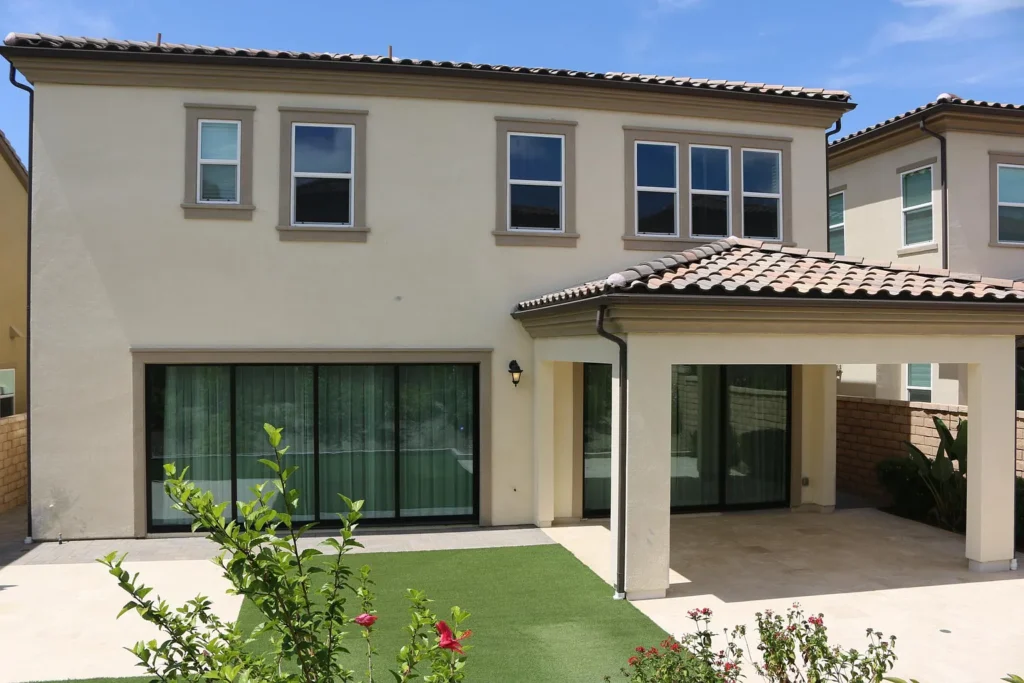
Located in Lake Forest, California, in the peaceful hills of Orange County, Voyager Recovery Center provides a calm setting roughly 20 minutes from John Wayne Airport. Our team coordinates ground transportation directly from local terminals for out-of-state clients and offers in-person facility tours or room-by-room video walk-throughs for remote families. To review your plan details in plain terms, our admissions team can conduct a free insurance verification for rehab at any time.
The total expense depends on the required level of clinical care, length of stay, medical staffing ratios, and your insurance policy design. High-structure residential programs and medical detox carry higher daily operational costs than outpatient counseling due to 24-hour medical supervision and residential housing.
Online prices often quote flat cash-pay rates or full list prices that do not account for individual insurance benefits, deductible status, or specific medical needs. An official benefits verification reads back your actual policy coverage, covered care levels, and estimated out-of-pocket expenses.
Insurance verification is an informational review that outlines your policy benefits, covered care levels, deductibles, and estimated out-of-pocket costs. Prior authorization is an independent clinical decision made directly by your insurance carrier based on medical necessity documentation.
Many out-of-state commercial insurance plans, particularly PPO policies with out-of-network benefits, can help cover residential treatment across state lines. An admissions specialist can contact your insurance provider directly to verify out-of-area benefits and explain potential coverage options before you travel.
No, Voyager Recovery Center accepts commercial private health insurance plans and self-pay options only, and does not accept Medicaid, Medicare, or state-funded healthcare programs. Individuals with government-sponsored coverage can locate accredited public treatment providers through FindTreatment.gov, the SAMHSA National Helpline, or California's county access lines.
Residential stays at Voyager Recovery Center are tailored to individual clinical needs, with medical detox typically lasting 5 to 10 days and residential care spanning 30 to 90 days. Ongoing clinical reviews during treatment help determine the appropriate length of stay for lasting recovery.
 | Authored By: Josh Hamburg Josh graduated from University of California, San Diego Extension in 2015 with a Certificate in Alcohol and Drug Abuse Counseling. He graduated from Saddleback College in 2016 with an Associates of Arts in Psychology. He received a Bachelors of Arts in Psychology at California State University, Fullerton in 2020. |
In-network with most major insurance providers






Reach out today and a member of our admissions team will be in touch shortly. We’re here to make every step of the way as comfortable as possible.
By submitting my information, I consent to receive service-related emails, SMS messages, and/or phone calls from Voyager Recovery Center staff, including appointment reminders and support updates. Reply STOP to opt out of SMS messages. Message & data rates may apply. View our Privacy Policy. We will never enroll you in marketing emails or SMS messages, and we will never sell your data.